

Speech
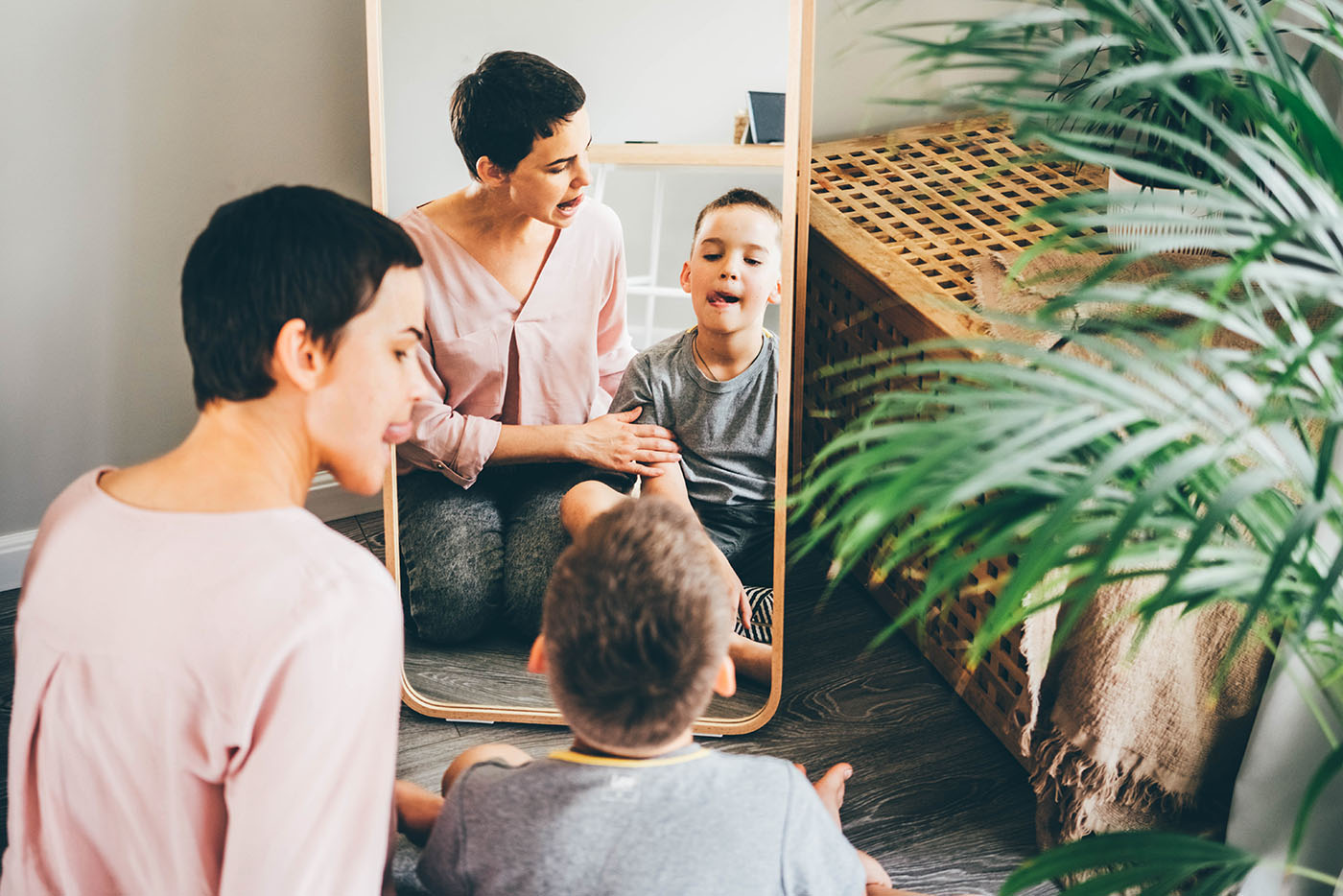
Clear speech starts with understanding its foundations. At Care2Communicate, we provide thorough speech assessments that look beyond surface-level errors to uncover the root cause. With a focus on accurate diagnosis, we work closely with each individual and their support network to set meaningful, personalised therapy goals that support lasting progress.

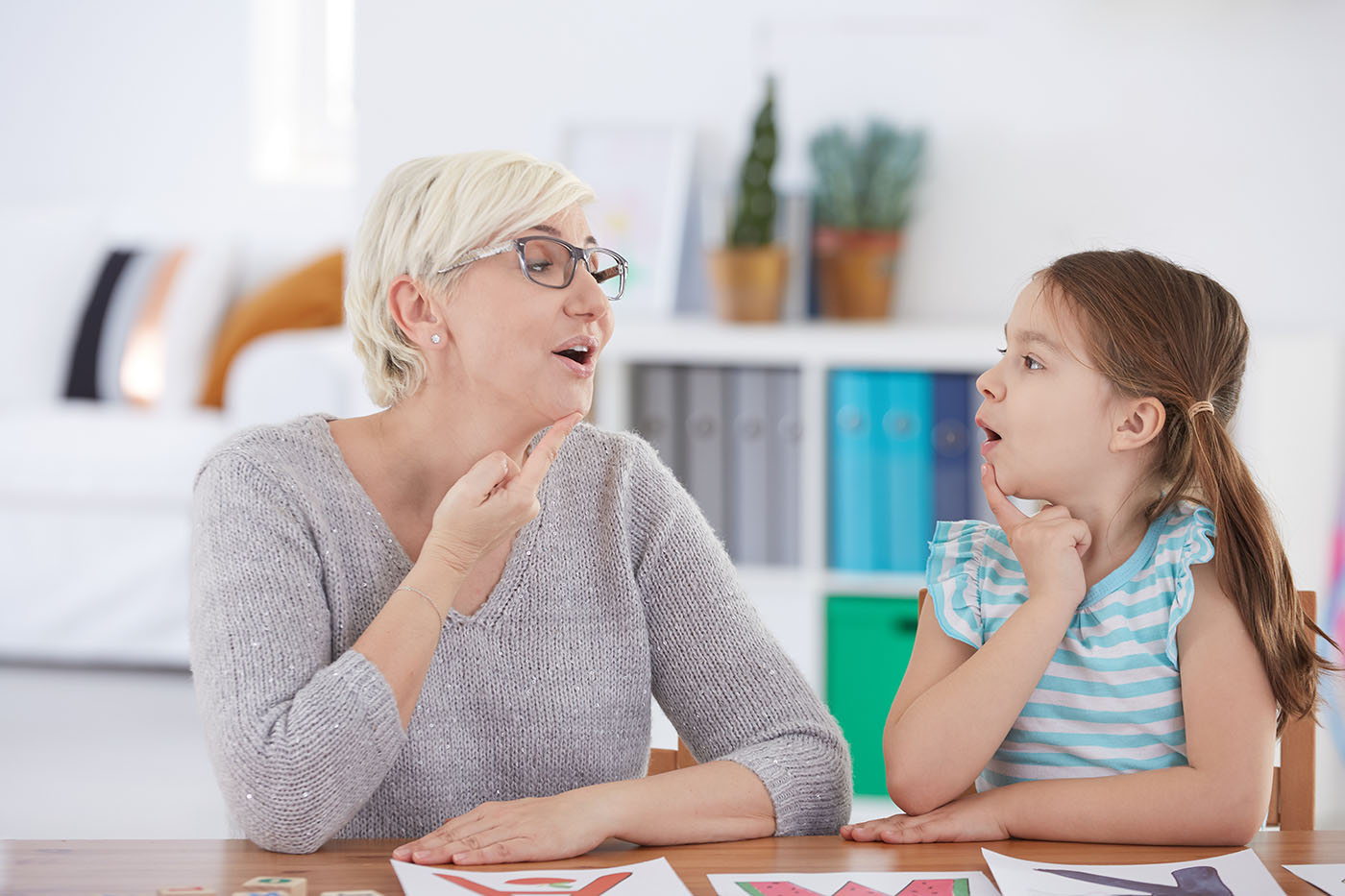
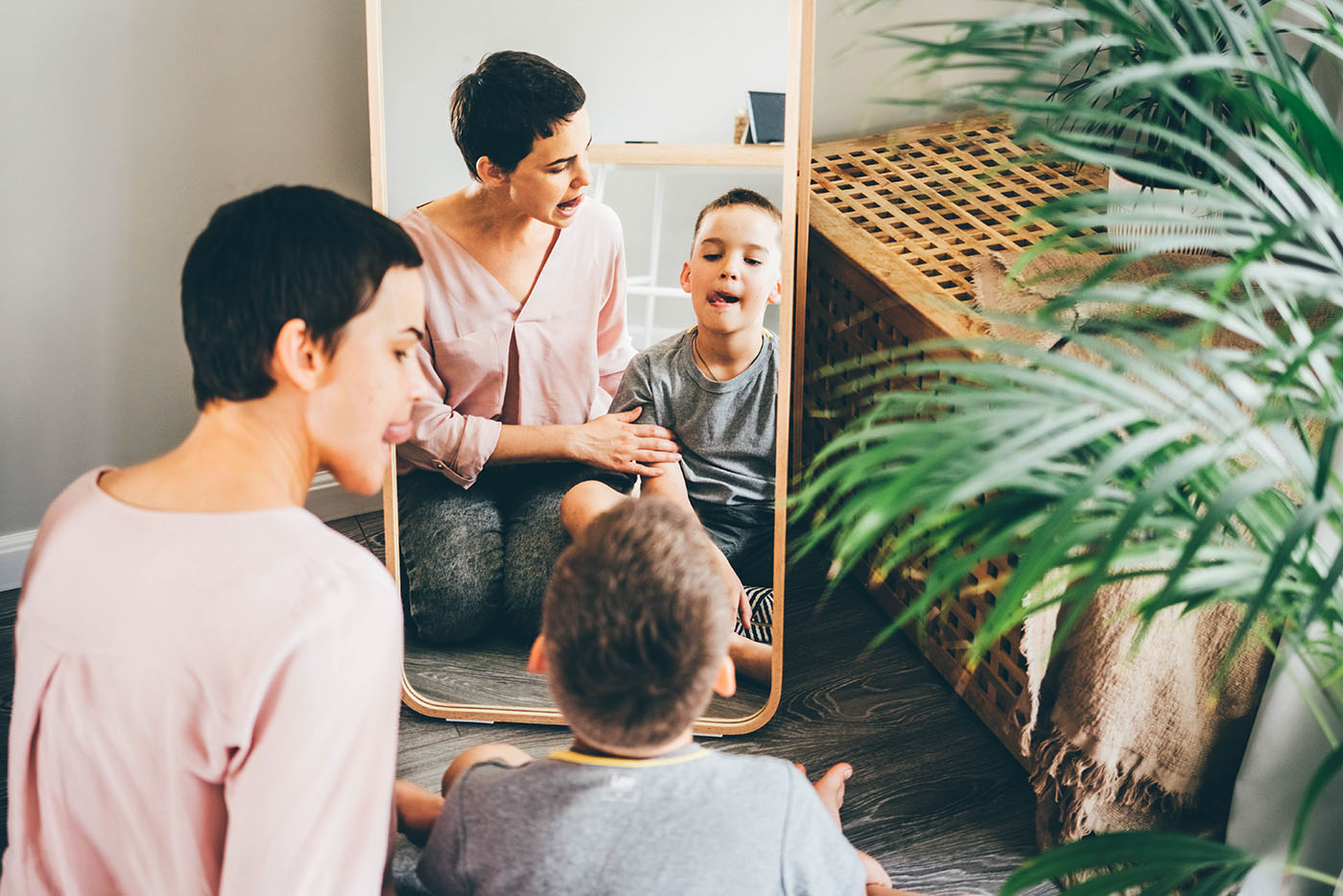
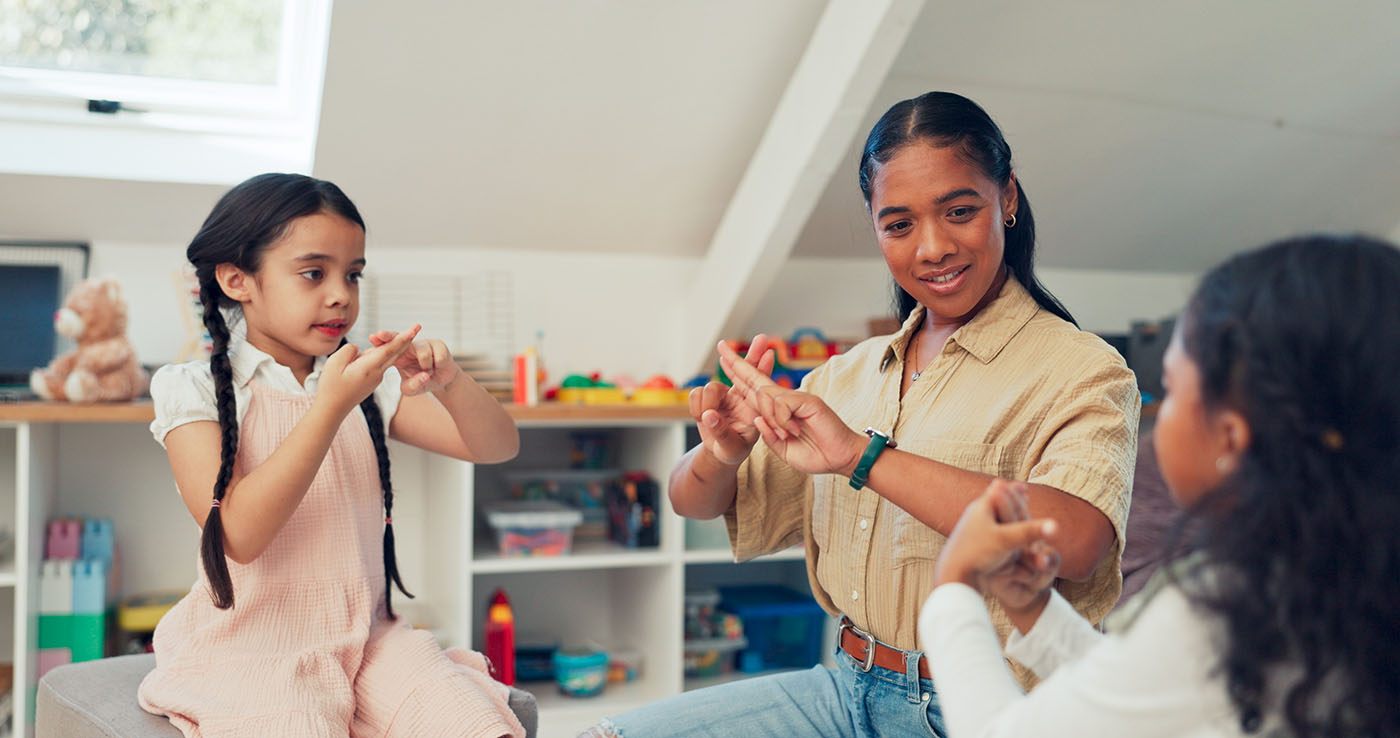
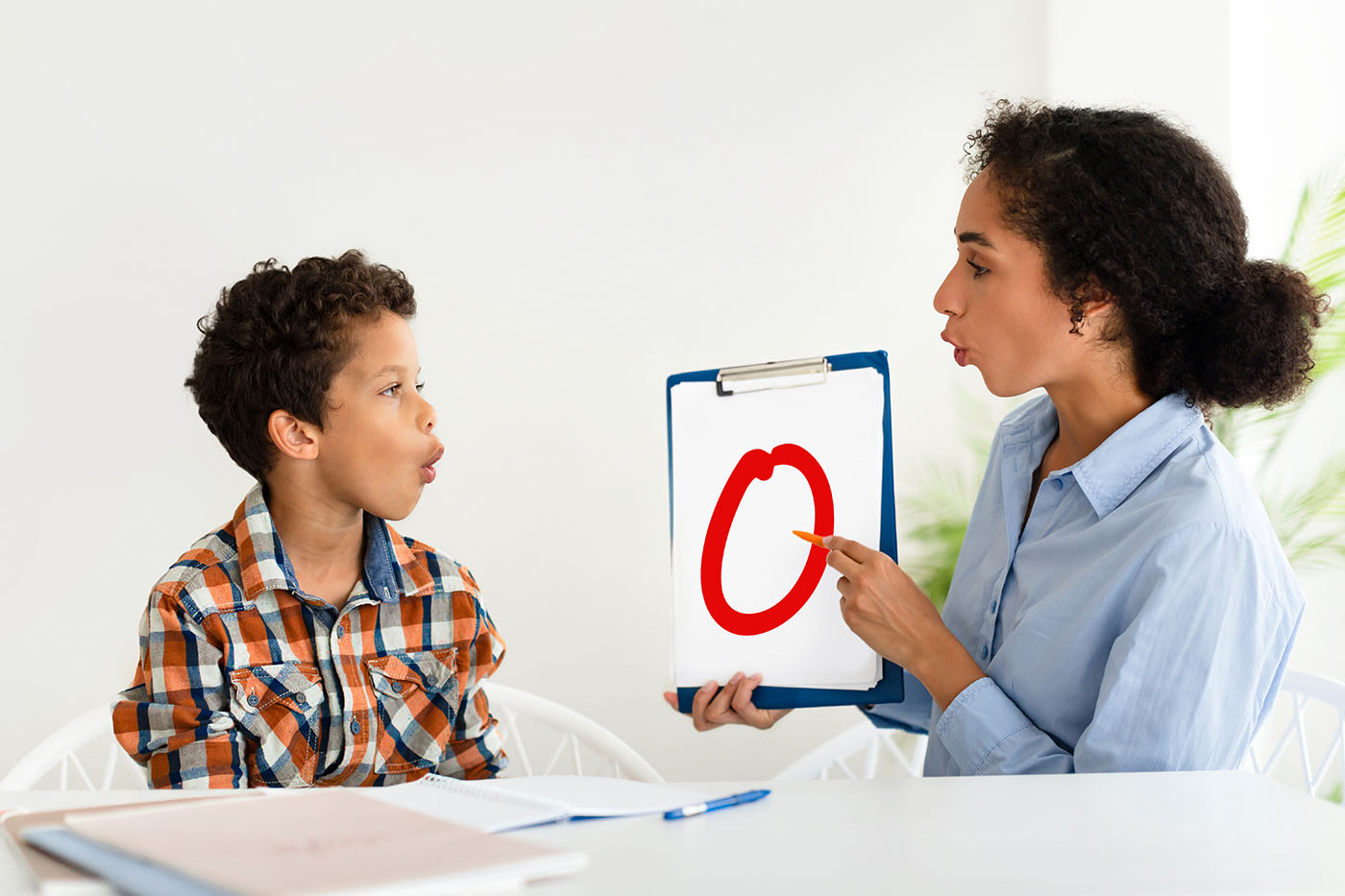

Speech is how we form and pronounce sounds to communicate clearly. Difficulties with speech can stem from a range of factors, including sound pattern processing (phonology), muscle coordination and movement planning (motor planning), or structural differences like tongue-tie or cleft palate.
Common Types of Speech Sound Disorders
Speech sound disorders occur when a person has trouble producing sounds correctly, or when their speech is difficult to understand beyond what's typical for their age or developmental stage.
Articulation Disorders
Difficulty producing certain sounds clearly (e.g., a lisp or saying “wed” instead of “red”).
Phonological Disorders
Patterns of errors affecting multiple sounds (e.g., saying “tat” for “cat”).
Apraxia of Speech
A motor speech disorder where the brain struggles to plan and sequence movements for speech.
Dysarthria
Speech affected by muscle weakness, often due to neurological conditions.
In-Person Across Sydney
Whether in your home, school, aged care facility or supported workplace we will come to you.
Telehealth Across Australia
Speech Pathology has never been so accessible! Care 2 Communicate can provide online sessions Australia wide.
In-Person Across Sydney
Whether in your home, school, aged care facility or supported workplace we will come to you.
Telehealth Across Australia
Speech Pathology has never been so accessible! Care 2 Communicate can provide online sessions Australia wide.
When to reach out
If you have any concerns about any areas of your child’s communication listed above, please contact Care2Communicate. We are always happy to discuss and provide advice for any questions or worries you may have about your child’s communication development.