


For many families, getting to a clinic every week is stressful, time‑consuming and sometimes simply not possible.
Mobile speech pathology brings therapy into real‑life environments, making it easier for children to practise and use new skills where they actually live, learn and play.
What is mobile speech pathology?
Mobile speech pathology means the therapist comes to you instead of you travelling to a clinic.
Sessions can be held at home, preschool, school, day care or other community settings that are familiar and comfortable for your child.
- This reduces travel time and disruption to busy family routines.
- Children often feel safer and more relaxed in their own environments, which can support engagement in therapy.
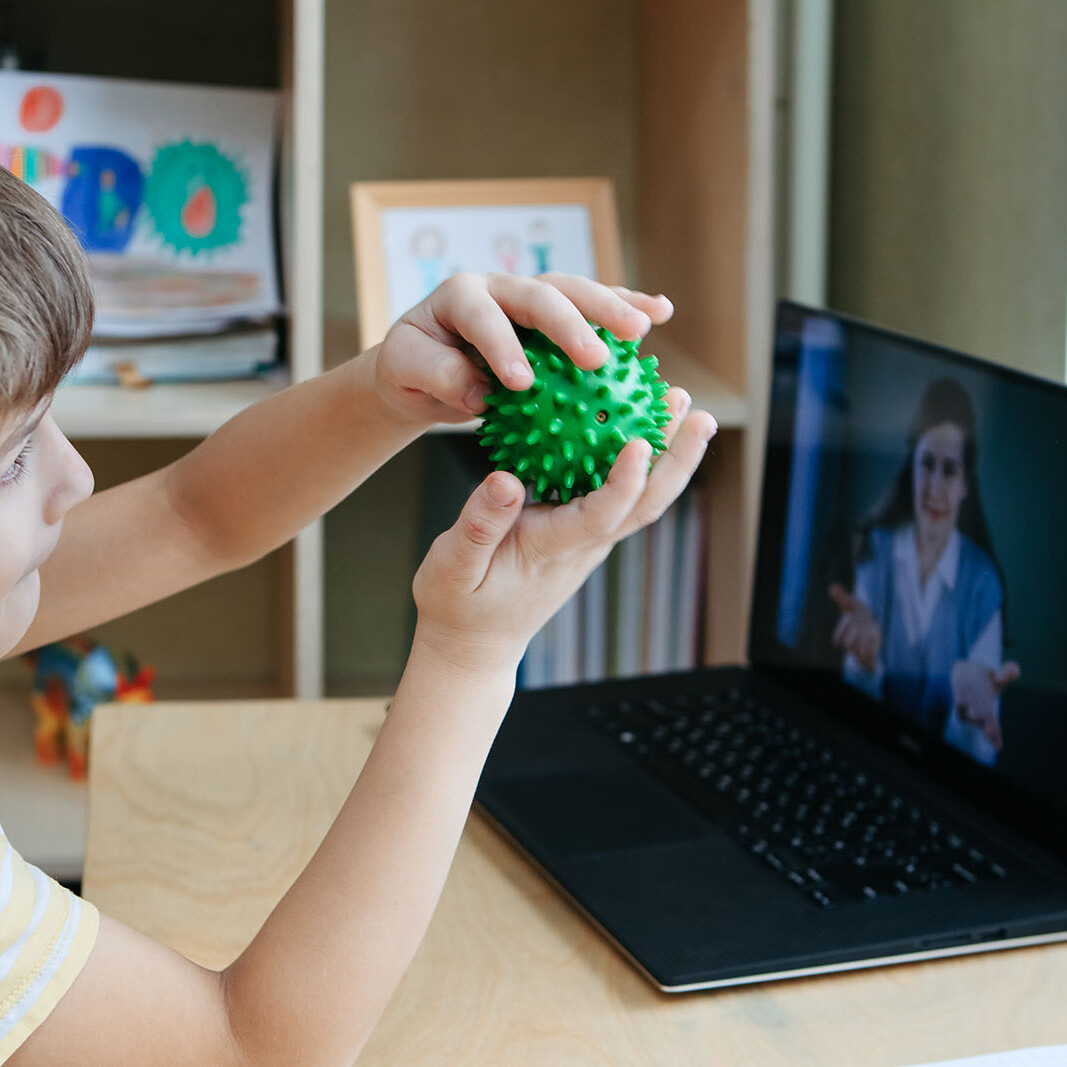
Why real-life environments matter for progress
Children learn best when they can use skills in meaningful, everyday situations. Speech pathologists call this “generalisation” – taking what is practised in therapy and using it naturally in daily life.
- Practising communication at the kitchen table, in the playground or during classroom activities helps new skills stick.
- Parents, carers and educators can be involved in sessions so they know exactly how to support the child between appointments.
How Care2Communicate supports children and families
Care2Communicate is a mobile speech pathology service providing convenient therapy across Sydney, including Greater Western Sydney.
Therapists work with children who may have speech sound difficulties, language delay, literacy challenges, stuttering, autism and other developmental needs.
- Therapy is tailored to each child’s strengths, interests and goals, with a strong focus on inclusion and participation.
- Sessions are delivered in preschools, primary schools, high schools and homes, making it easier to coordinate with teachers and support staff.

Supporting children with disability through the NDIS
Care2Communicate is an NDIS registered provider and supports children with a range of disabilities, such as Autism Spectrum Disorder, intellectual disability, cerebral palsy, global developmental delay, Down syndrome and more.
Therapists collaborate closely with families and support networks to set functional, family‑centred goals that fit within each child’s NDIS plan.
- Goals may focus on understanding instructions, using words and sentences, social communication, speech clarity or using alternative communication systems.
- Therapy recommendations and reports are written to support NDIS reviews and ongoing funding decisions.
What to expect from your first mobile speech pathology session
Before the first visit, families are usually asked to share background information about their child’s development, strengths and concerns.
During the initial assessment, the speech pathologist will observe your child in their everyday environment, complete assessment activities and talk with you about priorities.
- Together, you will agree on clear, functional goals, such as “ask for help at school”, “join in play with peers” or “follow multi‑step instructions at home”.
- You will also receive practical strategies to start using straight away between sessions to build your child’s confidence and independence.
If you would like to learn more about mobile speech pathology for your child, you can contact Care2Communicate via phone or the online contact form to discuss how therapy could be tailored to your family’s needs.
Learn more here – https://care2communicate.com.au/our-services/
Contact Us – https://care2communicate.com.au/contact-us/